Tous nos articles
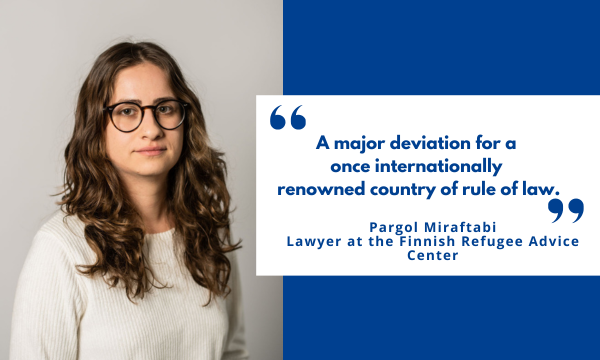
Finnish pushback law: “A major deviation for a once internationally renowned country of rule of law”
On Friday 12th July, the Finnish parliament adopted the Act on Temporary Measures to Combat Instrumentalised Migration, also known as the “pushback” law. The bill, valid for one year, allows authorities to turn away migrants attempting to enter Finland at its eastern border with Russia, due to their supposed instrumentalisation by Moscow.
The integration in the EU, the responsibility of the refugee or the host country?
A Syrian refugee living in Germany, Shaza Al Rihawi is deeply involved in the promotion of human rights. She is a member of several refugee rights organizations and is also working on a research project that seeks to analyze the process of integration of young migrants within the education system and society in Germany. She shares with us her views on public policies for the integration of migrants and refugees and the main challenges they face in the EU, especially women.
“Employment is one of the areas where there has been considerable progress in a number of countries”
Led by the Polish Institute of Public Affairs and coordinated by the Migration Policy Group, the “National Integration Evaluation Mechanism” (NIEM) is a transnational research project aimed at promoting the integration of refugees into European societies. It consists in assessing the impact of legislative and policy developments, but also in identifying challenges and good practices in the project partner countries. France terre d’asile is in charge of the evaluation for France.
The coronavirus effect on European migration policy
Alain Le Cléac’h shares his point of view on the coronavirus epidemic and its consequences on the rights of migrants in France, and on what it implies in terms of European migration policy.
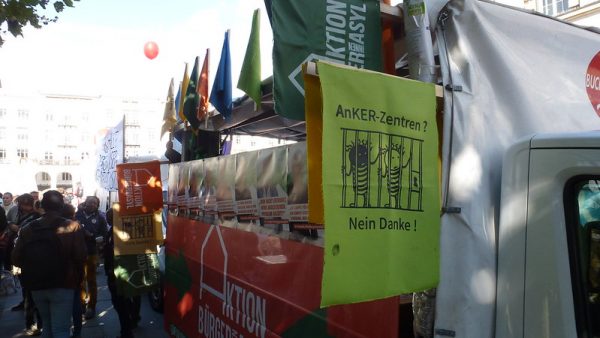
Germany’s Ankerzentren: a quick way of managing the asylum procedure while undermining fundamental rights
The first Ankerzentren were set up in 2018 at the instigation of the German Minister of Interior Horst Seehofer. They are designed to speed up the processing of asylum applications and to make it easier both to send rejected asylum seekers home and to transfer those placed under the “Dublin” procedure to other countries. These reception centres are the only ones of their kind in Europe and might inspire other Member States. However, a year and a half after they were set up, there is a great deal of criticism which is bringing the justification for their introduction into question.
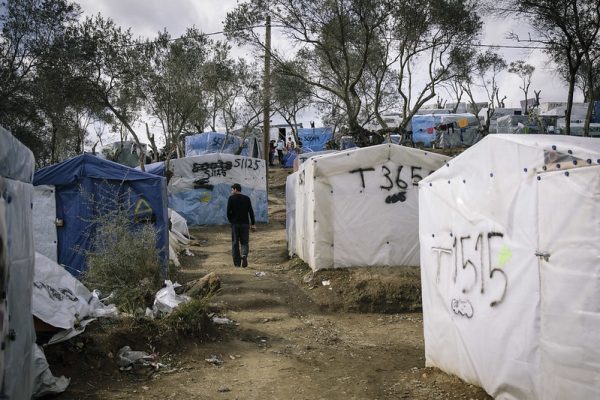
Is a reform of European asylum policy still possible?
Asylum became a European competence in 1999 and has gradually become the subject of a legislative framework thanks to the introduction of the Common European Asylum System. However, since 2015, European policies in this area have shown their limits, leading to a reform process which has still not come off. At a time when the new European commission is setting out its objectives for a new common asylum policy, is reform still possible?
“The EU-Turkey Statement made it impossible to provide decent and humane reception conditions to asylum seekers”
Through the implementation of various activities – from initial reception services to the promotion of integration – the Greek Refugee Council seeks to inform about their rights and support the largest number of asylum seekers and refugees on Greek territory.
It has become one of the major associations in the field of asylum in Greece and has helped more than 125,000 beneficiaries since its creation in 1989.
“If the question of the distribution of migrants throughout the EU is codified, we will no longer see the kind of thing that is currently happening in Greece”
Sylvie Guillaume is a member of the Progressive Alliance of Socialists and Democrats group in the European Parliament (S&D). She shares her views on the management of asylum seekers’ arrivals in the EU since 2015, on the new Pact on Asylum and Immigration of the von der Leyen Commission and on the role of the Parliament for the European legislature starting in 2019.
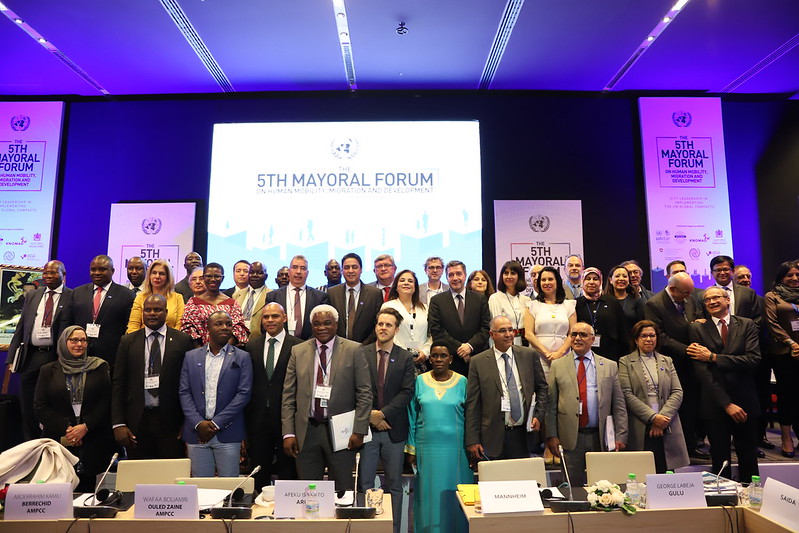
Networks of solidarity cities in order to foster a better reception for refugees in Europe
Faced directly with migration issues and with the need to find immediate and effective solutions, European cities have gradually chosen to join national and European solidarity networks. Those networks help them design local public policies as well as influence national and European political agendas.
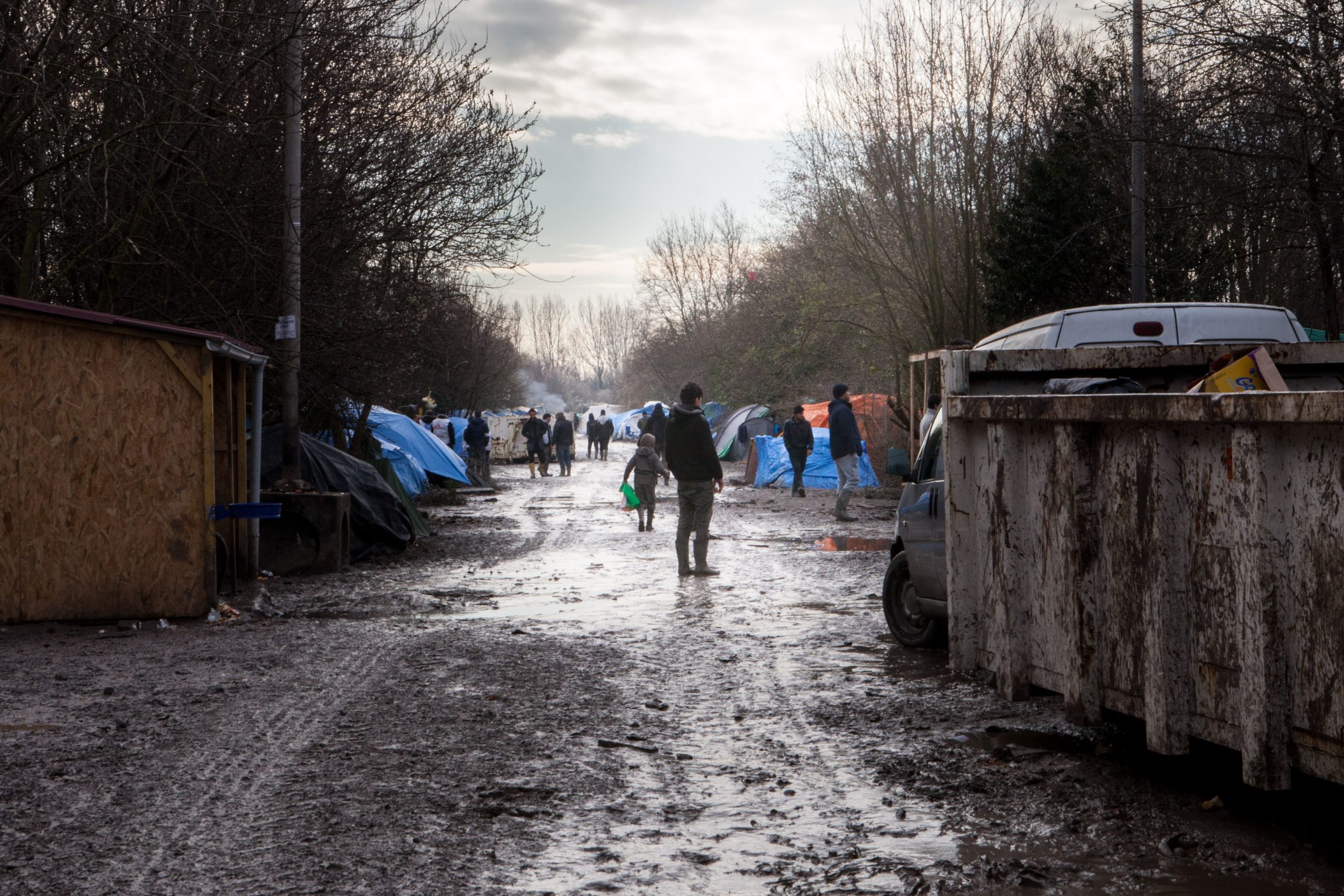
“Border towns”: the challenge of reception at Europe’s internal and external borders
Lesvos, Calais, Melilla and Lampedusa are all municipalities which, as the European Union is being built and its asylum and immigration policy is being transformed, have become symbols of the Union’s borders. Vues d’Europe looks back at the role that these “border cities” have played and the challenges they face with the increase in arrivals of migrant population, and with the organization of their reception and integration.